

As an owner’s representative, one of my primary responsibilities is ensuring projects deliver what the client truly needs—without unnecessary complexity, cost, or long-term dependency on external resources. Sometimes that means stepping back from the original design and asking a simple but important question: Is there a better way to achieve the same outcome?
The Problem
During the design phase of a facility expansion, the plans called for piping nitrogen underground across an alley from an existing building to supply a new build-out. On the surface, this seemed like a straightforward extension of existing infrastructure.
However, when we evaluated the nitrogen demand for the new space, the required volume was relatively small. Installing underground piping would require trenching, coordination across the alley, and long-term reliance on an external vendor to supply nitrogen deliveries. The approach added infrastructure complexity and created an ongoing operational dependency that didn’t necessarily align with the scale of the need.
The Solution
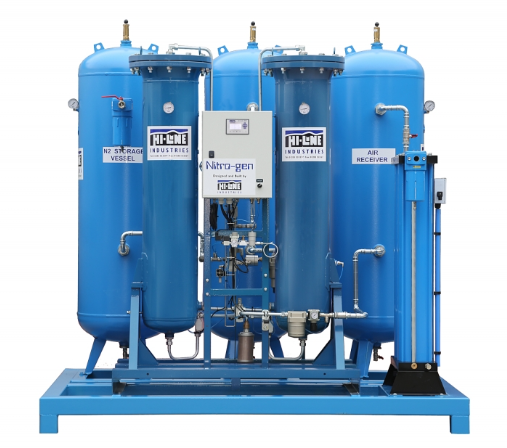
After reviewing the actual usage requirements, we recommended a different approach: installing a nitrogen generator directly in the new building.
This option eliminated the need for underground piping altogether and allowed the facility to generate its own nitrogen on-site. Instead of relying on periodic deliveries from an outside supplier, the client would have a controlled, consistent supply available whenever it was needed.
The client adopted the recommendation, integrating the nitrogen generator into the new build-out and removing the underground infrastructure from the project scope.
The Results
The change produced several meaningful benefits.
First, eliminating the underground piping reduced construction scope and avoided the coordination challenges associated with crossing the alley. More importantly, the on-site generator significantly lowered operational costs, saving the client tens of thousands of dollars annually in supplier and delivery expenses.
Just as important, the client gained greater control and reliability over their nitrogen supply. The success of the solution has led to plans to install a nitrogen generator in the existing building as well—ultimately removing the need for an external nitrogen supplier altogether.
The Takeaway
One of the most valuable roles an owner’s representative can play is challenging assumptions in the design process. What works on paper isn’t always the most efficient or sustainable approach once operational realities are considered.
By aligning infrastructure decisions with actual demand and long-term operational goals, it’s often possible to simplify projects, reduce costs, and give clients greater control over their resources. Sometimes the smartest solution isn’t expanding the system that exists—it’s rethinking whether you need it at all.